How TASER Devices Differ From Standard Stun Guns
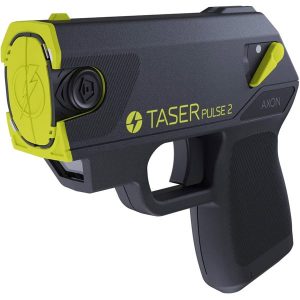
TASER devices operate on a standoff principle — probes travel up to 15 feet, allowing you to engage a threat before they close the distance. Standard stun guns require direct contact. That range gap is a significant tactical advantage in most real-world defensive scenarios. TASER devices also deliver a neuromuscular disruption pattern that overrides voluntary muscle control, not just pain compliance.
What to Consider When Choosing a TASER Device
Evaluate probe spread at distance — a wider spread at 7–15 feet produces more reliable NMI (neuromuscular incapacitation). Battery type matters for readiness: lithium-powered units hold charge longer than rechargeable models under infrequent-use conditions. Verify your jurisdiction's civilian ownership requirements before purchase, as some municipalities restrict TASER device ownership independent of other self-defense tools.
Confidence in Your TASER Device Purchase
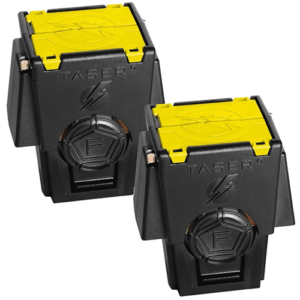
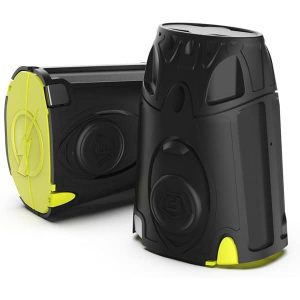
Every TASER device in this selection is a genuine civilian-rated unit built to the same performance standards as law enforcement versions, with downgraded cartridge yield compliant for civilian sale. Units include manufacturer warranties, and replacement cartridges are available separately so your TASER device stays mission-ready after any deployment. These are not novelty products — they are tested, documented defensive tools with a track record in real-world self-defense applications.
Frequently Asked Questions About TASER Devices
How far do TASER devices shoot?
Civilian TASER device models typically deploy probes up to 15 feet depending on the specific model and cartridge. Probe spread increases with distance, which improves contact probability. Always check the specifications on the individual model for confirmed range data.
Are TASER devices legal for civilians to own?
TASER devices are legal for civilian ownership in most U.S. states, but some jurisdictions impose restrictions or require permits. Laws vary at the state and local level. Confirm your local regulations before purchasing any TASER device — we do not provide legal advice.
Do TASER devices work through clothing?
Yes. TASER device probes are designed to penetrate standard clothing layers and make skin contact to complete the electrical circuit. Thick or layered materials can reduce effectiveness in edge cases, but civilian TASER devices are engineered to deliver reliable NMI through typical clothing worn in everyday encounters.
What happens after a TASER device is deployed?
After the 5-second discharge cycle, the cartridge must be replaced before the TASER device can be used again in probe mode. Most civilian TASER device models retain drive-stun capability — direct contact operation — without a cartridge. Replacement cartridges are sold separately.
How do TASER devices compare to pepper spray for self-defense?
TASER devices offer greater standoff range and are unaffected by wind, rain, or blowback that can compromise pepper spray deployment. Pepper spray is lighter, often smaller, and requires no follow-up equipment after use. Many serious self-defense practitioners carry both as complementary tools for different threat scenarios.
Do TASER devices require charging or batteries?
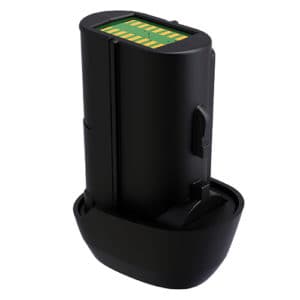
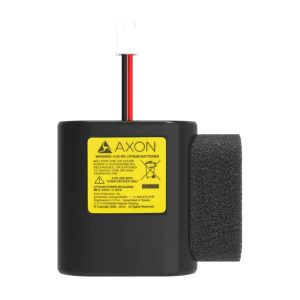
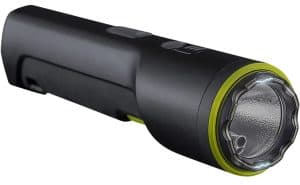
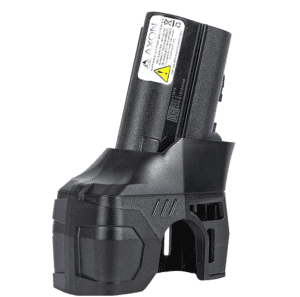
Depending on the model, TASER devices use either replaceable lithium batteries or integrated rechargeable power cells. Lithium-battery models hold charge longer in storage, making them preferred by users who carry infrequently. Check the individual product specifications to confirm the power system before purchase.
Related Categories and Guides