U.S. Legal in Most States • Discreet Shipping • Real-World Protection • No Permits Required in Most Areas

Personal Alarms

Filter Products

After checking a box, click the apply button below.

Personal Alarms
Color
Decibels
Price
    -

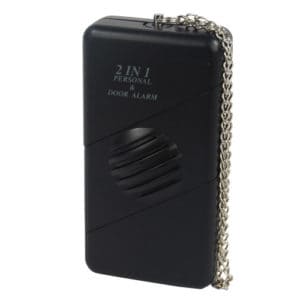
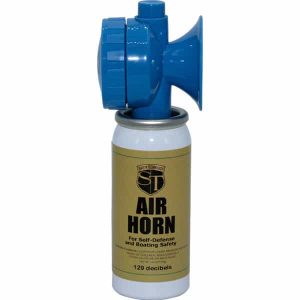
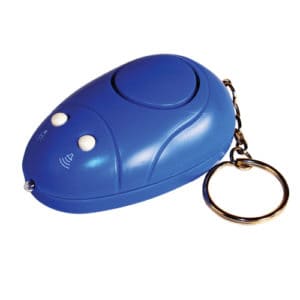
Personal alarms are compact, battery-powered devices that emit a piercing 120–130 dB audible signal at the activation of a pin or button, drawing immediate attention and disrupting a threat without physical contact. Unlike contact-based tools, personal alarms work at zero range and require no training, making them effective for a broad user base including students, joggers, commuters, and older adults. This selection of 8 units includes keychain-style models, wearable clip designs, and combination alarm-flashlight configurations. Each device is designed for instant one-handed activation and reliable daily carry.

Showing all 8 results
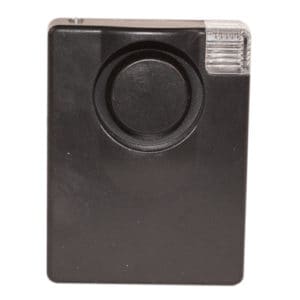
Personal alarms are compact, battery-powered devices that emit a piercing 120–130 dB audible signal at the activation of a pin or button, drawing immediate attention and disrupting a threat without physical contact. Unlike contact-based tools, personal alarms work at zero range and require no training, making them effective for a broad user base including students, joggers, commuters, and older adults. This selection of 8 units includes keychain-style models, wearable clip designs, and combination alarm-flashlight configurations. Each device is designed for instant one-handed activation and reliable daily carry.

How Personal Alarms Are Used in the Field

Personal alarms are deployed the moment a situation escalates — pulled from a keyring or bag clip and activated to broadcast a 120+ dB tone that carries 300–600 feet in open environments. The audible signal serves two tactical functions: it deters a threat who wants to avoid attention and simultaneously signals bystanders or security personnel to your location. Most units activate in under one second.

Choosing the Right Personal Alarm for Your Situation

Key selection criteria include decibel output, activation mechanism, battery type, and form factor. Pin-pull designs prevent accidental activation during carry and are preferred for high-movement users such as runners. Button-activated models offer slightly faster response for users with limited grip strength. Battery life and weather resistance are secondary but relevant for extended outdoor use or emergency preparedness kits.

Confidence in What You're Carrying

Every personal alarm in this selection meets verified decibel ratings and is built to activate consistently under real-world conditions — not just lab tests. These are not novelty devices. Solid construction, dependable activation mechanisms, and manufacturer-backed warranties mean the unit performs when the situation demands it. Whether you're outfitting yourself, a family member, or a client, you're sourcing from a catalog held to consistent quality standards.

Frequently Asked Questions About Personal Alarms

How loud are personal alarms, and does the decibel level matter?
Most quality personal alarms operate between 120 and 130 dB — comparable to a jet engine at close range. At that output, the signal is heard clearly at 300–600 feet in open air. Higher decibel ratings increase effectiveness in noisy environments like parking garages or transit stations.
Are personal alarms legal everywhere?
Personal alarms are unrestricted in all 50 U.S. states and most countries worldwide. Unlike pepper spray or stun guns, they carry no age restrictions, permit requirements, or transport limitations. Always verify local ordinances if traveling internationally.
Can a personal alarm stop an attacker?
A personal alarm does not physically incapacitate a threat. Its effectiveness is behavioral — the sudden 120+ dB signal disrupts composure, attracts unwanted attention to the aggressor, and creates a window for escape. Most users pair a personal alarm with a secondary tool such as pepper spray or a stun gun for layered defense.
What is the best personal alarm for runners and joggers?
Pin-pull keychain models are the standard recommendation for runners. They clip directly to a hand strap or waistband and activate instantly when the pin is pulled, even if the device is dropped or grabbed. Look for units rated at 120 dB minimum with weather-resistant housings.
How long does the battery last in a personal alarm?
Battery life varies by model and activation frequency. Most CR2032 or alkaline-battery units maintain readiness for 12–36 months in standby. Active alarm duration typically runs 30–60 minutes of continuous sound. Rechargeable models are also available and suit users who prefer not to track battery replacement schedules.
Can personal alarms be used as home security devices?
Yes. Several models in this category function as both carried personal alarms and stationary door or window alert systems. For dedicated home perimeter coverage, pairing a personal alarm with purpose-built door and window alarms significantly increases coverage and response capability.

Related Categories and Guides

Verified by MonsterInsights