U.S. Legal in Most States • Discreet Shipping • Real-World Protection • No Permits Required in Most Areas

Personal Defense Devices

Filter Products

After checking a box, click the apply button below.

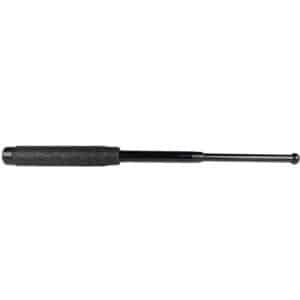
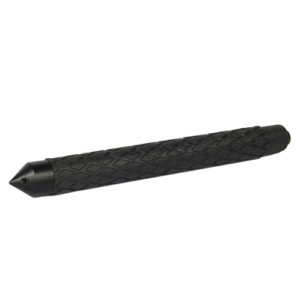
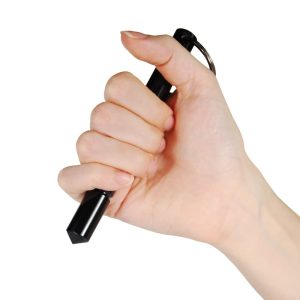
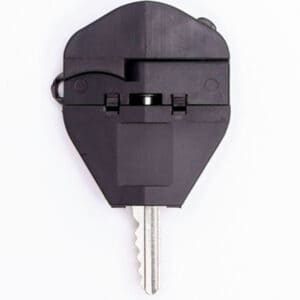
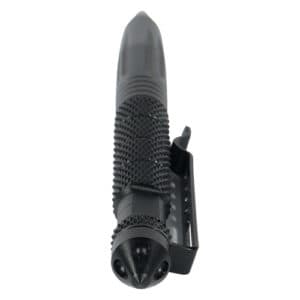
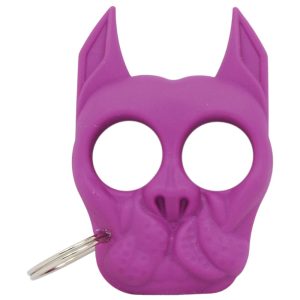
Personal defense devices are non-lethal tools engineered to neutralize threats and create immediate distance between you and an aggressor. This category spans the full tactical spectrum — from high-voltage stun guns and oleoresin capsicum sprays to audible personal alarms and impact-ready keychain devices. Each product is selected for field reliability, concealability, and ease of deployment under stress. Designed for civilians, security professionals, and anyone operating in environments where situational awareness isn’t enough, these personal defense devices deliver measurable stopping power without lethal force or legal complications associated with firearms.

Showing all 12 results
Personal defense devices are non-lethal tools engineered to neutralize threats and create immediate distance between you and an aggressor. This category spans the full tactical spectrum — from high-voltage stun guns and oleoresin capsicum sprays to audible personal alarms and impact-ready keychain devices. Each product is selected for field reliability, concealability, and ease of deployment under stress. Designed for civilians, security professionals, and anyone operating in environments where situational awareness isn’t enough, these personal defense devices deliver measurable stopping power without lethal force or legal complications associated with firearms.

How Personal Defense Devices Perform in Real Situations

Personal defense devices are optimized for close-quarters scenarios where response time is measured in seconds. Electroshock units operate at direct-contact range, delivering voltage that disrupts voluntary muscle function for 3–5 seconds — enough time to disengage and move. Chemical irritants like OC-based sprays project effective defensive barriers at ranges of 8–15 feet, triggering immediate mucous membrane inflammation and temporary incapacitation without permanent injury.

Choosing the Right Personal Defense Device for Your Profile

Selection depends on three variables: carry environment, threat profile, and deployment speed. Compact stun guns and keychain units suit daily carry in urban environments. Extended-range pepper sprays and defense sprays are appropriate for runners, hikers, and those covering open ground. Audible personal alarms function as both deterrents and distress signals — effective in any environment and operable under maximum stress with zero training requirement.

Quality and Reliability You Can Count On

Every personal defense device in this category is sourced from manufacturers with established quality control standards. Units are tested for charge retention, trigger responsiveness, and structural integrity under repeated use. Rechargeable models maintain operational readiness without recurring battery costs. Whether you're equipping yourself or sourcing devices for a professional team, you're getting hardware that performs when conditions are worst and margins for error are zero.

Frequently Asked Questions About Personal Defense Devices

Are personal defense devices legal to carry?
Most non-lethal personal defense devices are legal for adult civilian carry across the majority of U.S. states, though specific regulations vary by jurisdiction. Stun guns, pepper sprays, and personal alarms each carry their own state and local restrictions. Always verify current laws in your area before purchasing or carrying any personal defense device.
What is the most effective personal defense device for everyday carry?
Effectiveness depends on your specific environment and threat exposure. Compact stun guns and keychain pepper sprays offer strong stopping capability in a concealable form factor. Personal alarms work as a layered deterrent when combined with a contact or chemical defense option. Many practitioners carry a primary device and a backup for redundancy.
Do personal defense devices require training to use?
Most personal defense devices are designed for intuitive deployment under stress. Audible alarms require no training — activation is typically a single pull or press. Stun guns and pepper sprays benefit from basic familiarization drills so users can deploy without hesitation. Confidence in your tool's operation is a significant tactical advantage.
Can personal defense devices be carried on a plane or in a vehicle?
Transportation rules vary by device type and carrier. Electroshock devices are prohibited in aircraft cabins and carry-on luggage under TSA regulations. Small OC-based pepper sprays under 4 oz may be allowed in checked baggage under specific conditions. Always confirm current TSA and airline policies before traveling with any personal defense device.
How long does a stun gun charge last in a personal defense device?
Most rechargeable stun guns retain a full operational charge for several weeks of standby use under normal conditions. Regular recharging cycles — typically monthly — maintain peak voltage output. Units with integrated flashlights may discharge faster depending on flashlight usage frequency. Check manufacturer specifications for your specific model.
What is the difference between a stun gun and a TASER device?
Stun guns require direct contact with the target to deliver an electrical charge, operating at close range. TASER devices deploy probes via compressed gas cartridges, allowing engagement at distances up to 15 feet while maintaining electrical contact through attached wires. Both are classified as non-lethal personal defense devices, but TASER units offer a standoff engagement capability stun guns do not.

Related Categories and Guides

Verified by MonsterInsights