Small Device. Big Attention.
Personal alarms have become one of the most popular everyday safety tools for people looking for a simple, non-aggressive way to add an extra layer of preparedness to daily life.
Compact, affordable, and easy to carry, these devices are designed to emit an extremely loud sound when activated. The goal is simple: attract attention, interrupt a threatening situation, and potentially create an opportunity to get away safely.
For many people, personal alarms offer peace of mind without the complexity or legal concerns that can sometimes come with other self defense tools.
But like any safety product, they also have limitations. Understanding both the advantages and drawbacks can help you decide whether carrying a personal alarm makes sense for your lifestyle and comfort level.
What Is a Personal Alarm?
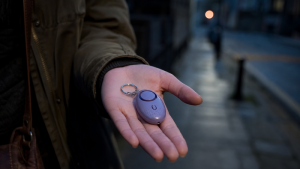
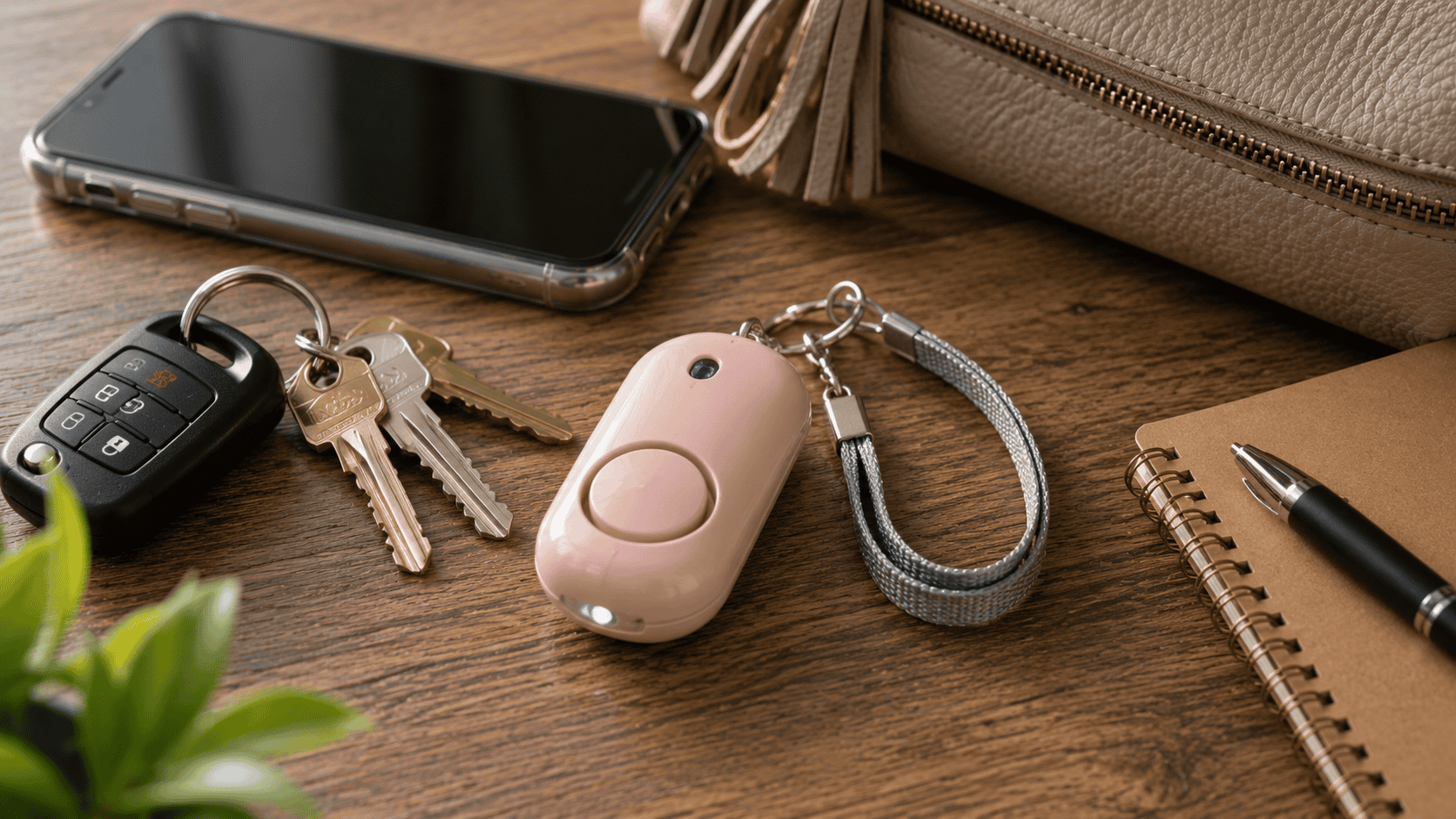
A personal alarm is a compact electronic safety device that emits a loud siren when activated. Most models are small enough to attach to a keychain, purse, backpack, or belt loop for easy everyday carry.
Activation methods vary depending on the model, but common designs include:
- Pull-pin alarms
- Push-button alarms
- Wearable alarms
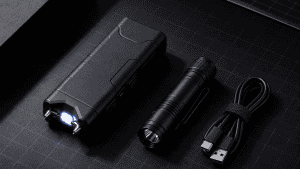
- Flashlight alarm combinations
- Emergency alert devices with additional features
Some newer models also include LED lights, rechargeable batteries, GPS functions, or emergency contact features.
Pros of Carrying Personal Alarms
Easy to Use
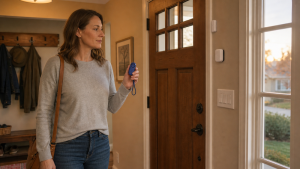
One of the biggest advantages of personal alarms is simplicity. Most models activate instantly with either a button press or pull pin, making them approachable even for first-time users.
There is very little learning curve compared to many other personal safety tools.
Designed to Attract Attention
Personal alarms are intentionally loud. Many models produce sound levels between 120 and 140 decibels, helping attract attention from nearby people during emergencies.
In some situations, the sudden noise alone may help interrupt or discourage unwanted behavior.
Lightweight and Portable
Most personal alarms are compact enough to fit comfortably on a keychain or inside a pocket or purse.
Because they are so lightweight, many people find them easy to carry consistently as part of their everyday routine.
Affordable Personal Safety Option
Compared to many other self defense products, personal alarms are often very affordable.
That makes them appealing for students, commuters, travelers, seniors, and anyone looking for a simple extra layer of preparedness without a large investment.
Widely Legal in Most Areas
Unlike certain self defense products that may face legal restrictions depending on the state or municipality, personal alarms are generally permitted in most locations.
This makes them a practical option for people who want a broadly accessible safety tool.
Cons of Carrying Personal Alarms
They Depend on Attention From Others
Personal alarms are designed to attract attention, but their effectiveness can depend heavily on whether other people are nearby and willing to respond.
In isolated areas or loud environments, the alarm may not have the same impact.
They Do Not Physically Stop a Threat
Unlike some self defense tools, personal alarms do not physically create distance or prevent someone from continuing unwanted behavior.
Their primary purpose is deterrence, disruption, and alerting others.
False Activations Can Happen
Because many alarms use simple pull-pin or button systems, accidental activations can occasionally occur inside purses, pockets, or bags.
While usually harmless, false alarms can be inconvenient and embarrassing.
Battery Maintenance Matters
A personal alarm is only useful if it works when needed.
Users should regularly test their device, check batteries or charging levels, and replace worn-out units over time.
Some People May Develop a False Sense of Security
Personal alarms can be a valuable addition to a broader safety strategy, but they should never replace awareness, caution, or good judgment.
No single tool guarantees personal safety in every situation.
Who Often Carries Personal Alarms?
Personal alarms are popular with a wide range of people because they are easy to carry and simple to use.
Common users include:
- Students walking across campus
- Travelers and commuters
- Joggers and walkers
- Seniors
- Night-shift workers
- Parents purchasing safety tools for teenagers
Many people appreciate having a lightweight safety device that feels non-intimidating and easy to incorporate into daily life.
Popular Features to Look For
If you’re considering purchasing a personal alarm, some helpful features may include:
- High decibel output
- Rechargeable battery options
- Built-in flashlight
- Compact keychain design
- Easy one-handed activation
- Durable construction
Choosing a model that feels simple and comfortable to carry every day is often more important than choosing the most feature-packed option available.
Final Thoughts
Personal alarms remain popular for a reason. They’re affordable, easy to use, lightweight, and designed to provide an extra layer of preparedness during uncertain situations.
At the same time, they work best when paired with awareness, preparation, and realistic expectations.
For many people, the ideal personal safety strategy is layered rather than relying on a single tool alone.
If you’re looking for a compact and approachable safety device, a personal alarm may be worth considering as part of your everyday carry setup.
You can explore our selection of Personal Alarms and compact safety products at Nittany Self Defense.