

U.S. Legal in Most States • Discreet Shipping • Real-World Protection • No Permits Required in Most Areas
U.S. Legal in Most States • Discreet Shipping • Real-World Protection • No Permits Required in Most Areas
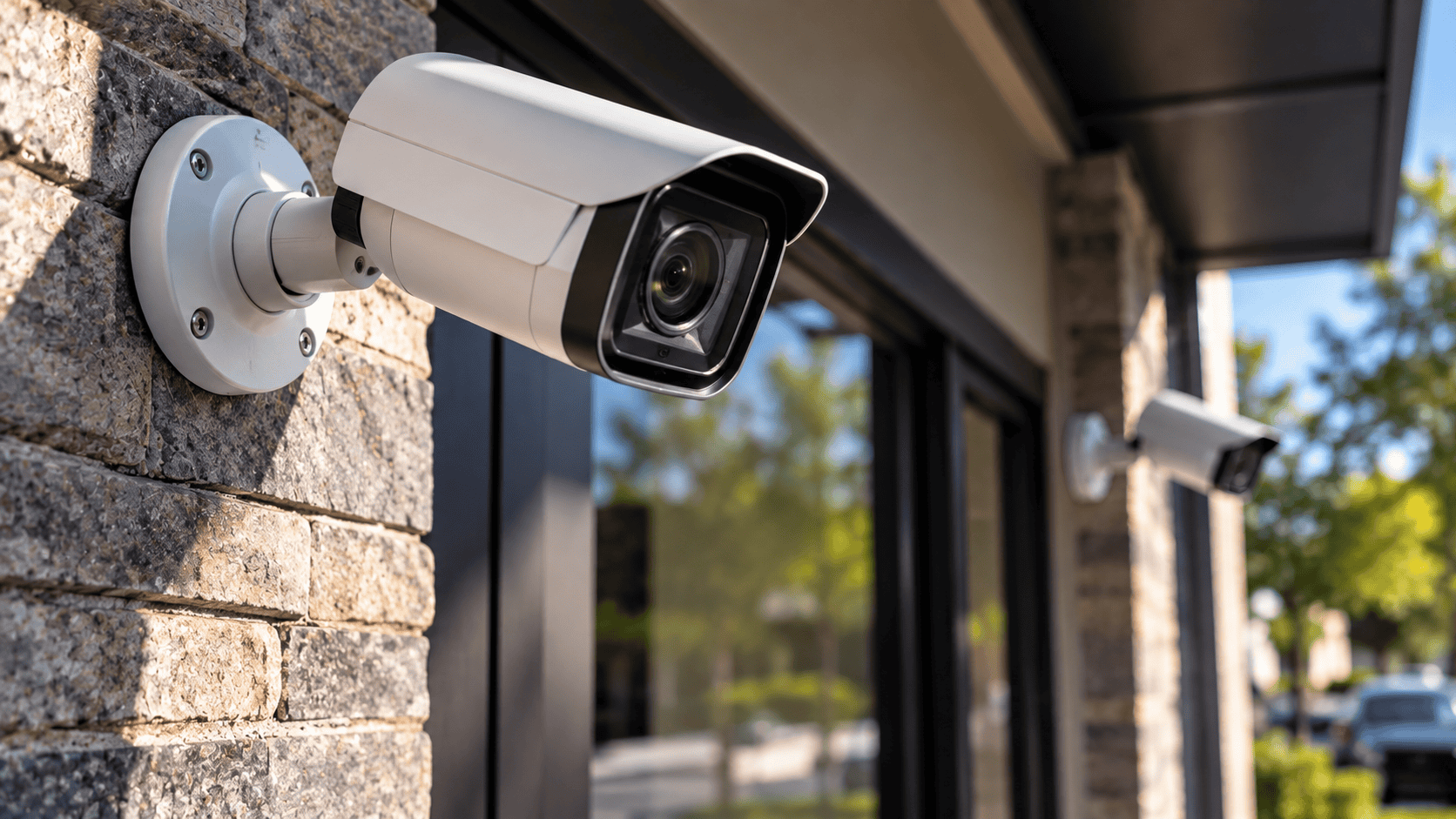
So what are the pros and cons of dummy cameras? Well, dummy cameras offer a low-cost way to create the appearance of surveillance. And can deter opportunistic criminals who don’t look too closely. However, they provide zero actual evidence, can create a false sense of security, and may expose you to liability if someone relies on them and gets hurt. Understanding exactly where they work — and where they fall dangerously short — is the key to using them wisely.
A dummy camera is a non-functional replica designed to look like a real security camera. They’re built to mimic the shape, housing, and sometimes even the blinking LED lights of genuine CCTV units. Some are mounted in fixed positions; others feature a motorized pan head that slowly sweeps back and forth to add realism. What they all share is the same critical limitation: not a single second of footage is ever recorded.
You’ll typically find them in two common styles — dome-style replicas that resemble the cameras found in retail stores, and bullet-style replicas that look like outdoor security units. Both styles are widely used in homes, small businesses, parking areas, and storage facilities. At first glance, they’re nearly indistinguishable from the real thing, which is precisely the point.
The biggest advantage is cost. A genuine networked security camera system with recording capability can run hundreds or even thousands of dollars when you factor in installation, wiring, storage, and maintenance. A dummy camera can be purchased and mounted for a fraction of that price — sometimes under $20 per unit. For someone on a tight budget who wants some visible deterrent presence, that price point matters.
Here’s a checklist of the genuine benefits dummy cameras can deliver when deployed correctly:
For situations where the goal is simply to discourage casual mischief — teenagers tagging a fence, someone rifling through unlocked cars in a parking lot, petty theft at a kiosk — a well-placed dummy camera can be a genuinely useful tool.
This is where you need to pay very close attention, because the disadvantages of dummy cameras aren’t just inconveniences — some of them can have real consequences for your safety and your legal standing.
Here are the critical risks, broken down clearly:
Dummy cameras perform best in very specific, low-stakes situations. Use this as a practical guide for deployment decisions:
The key pattern here is clear: dummy cameras work when combined with other real security measures, not as a standalone solution in high-risk environments.
When evaluating the pros and cons of dummy cameras, this question matters for two reasons. First, so you can make dummy cameras that are harder to detect. And, second, so you understand exactly what a determined person will look for on your property. Here are the dead giveaways that a camera is fake:
If you’re going to use dummy cameras, mitigate these tells as much as possible. Run a non-functional cable from the unit. Choose models without obvious cheap LED blinkers. Mount them in positions that make logical surveillance sense.
Relying solely on dummy cameras for your home’s security is a risk I’d strongly caution against. Your home is where your family is. If something goes wrong — a break-in, a trespasser, a threat — you want real evidence, real alerts, and real documentation. A dummy camera gives you none of that when it matters most.
That said, using dummy cameras as one piece of a layered home security approach is entirely reasonable. Pair them with real cameras at key entry points, strong door locks, motion-activated lighting, and personal protection tools. Layered security creates multiple obstacles and deterrents, which is far more effective than relying on any single solution — real or fake.
Think of it this way: a dummy camera is like a scarecrow. It works on birds that haven’t learned better. But it does nothing to protect the crops if a determined threat arrives.
So when considering the Pros And Cons of Dummy Cameras, and deciding if they are right for your situation, here’s a quick checklist of features that maximize realism and effectiveness:
In most places, yes — using dummy cameras on your own property is legal. However, the legal risk comes not from owning them, but from potential liability if someone is harmed and can prove they relied on the apparent surveillance for their safety. Always check local laws and consult an attorney if you’re using them in a commercial or rental property context where others’ safety is involved.
Yes, but with important limitations. Research on deterrence shows that visible cameras — real or fake — do discourage opportunistic, low-commitment criminals who aren’t willing to risk being caught. The deterrent effect drops significantly against experienced, determined offenders who can spot a fake or who don’t care either way. Dummy cameras are most effective against casual, impulsive criminal behavior.
Most basic dummy cameras need no power at all — they’re completely passive. Models with blinking LED indicators typically run on one or two AA batteries, which can last several months. Models with motorized pan functions also require battery power. No wiring to an electrical panel or data network is ever required, which is part of what makes them so easy to install.
Mount dummy cameras in positions where real cameras would logically be placed — entry doors, driveways, parking areas, and any spot with a clear knightliness to foot traffic. Avoid placing them so high that the angle would be useless, and always run a dummy cable from the unit to the nearest conduit or wall surface to maximize the illusion of a functional installation.
Absolutely — this is actually the most effective strategy. Real cameras cover your critical angles and provide actual recording capability while dummy cameras expand your apparent coverage area. Anyone scoping your property sees cameras everywhere and has no reliable way to determine which are functional. This approach maximizes deterrence while keeping your overall system cost manageable.
Some insurance policies offer discounts for monitored security systems, and those discounts typically require real, functional cameras or alarm systems. Dummy cameras would not qualify for those benefits. More importantly, if a claim involves a crime on your property and investigators discover your cameras were non-functional, it could complicate or affect your claim. Always disclose your actual security setup to your insurer.
Real security cameras have never been more affordable or easier to install. Many modern wireless cameras cost as little as $30 to $60 per unit, connect to your home Wi-Fi, send motion alerts to your phone, and store footage to cloud or local storage. Combined with motion-activated lighting, strong deadbolts, and personal protection tools, a real camera system provides genuine security that dummy cameras simply cannot replicate.
Yes, it’s a real risk — especially for business owners and landlords. If a customer, tenant, or employee is harmed on your property and can argue they relied on the apparent surveillance system for their safety, you may face a negligence claim. Courts have ruled against property owners in these situations. This is one of the most important reasons to ensure dummy cameras are never your only security measure in a setting where others’ safety is your responsibility.
Until later…..







We use cookies to improve your experience on our site. By using our site, you consent to cookies.
Manage your cookie preferences below:
Essential cookies enable basic functions and are necessary for the proper function of the website.
These cookies are needed for adding comments on this website.
Statistics cookies collect information anonymously. This information helps us understand how visitors use our website.
Google Analytics is a powerful tool that tracks and analyzes website traffic for informed marketing decisions.
Service URL: business.safety.google (opens in a new window)