
U.S. Legal in Most States • Discreet Shipping • Real-World Protection • No Permits Required in Most Areas
U.S. Legal in Most States • Discreet Shipping • Real-World Protection • No Permits Required in Most Areas
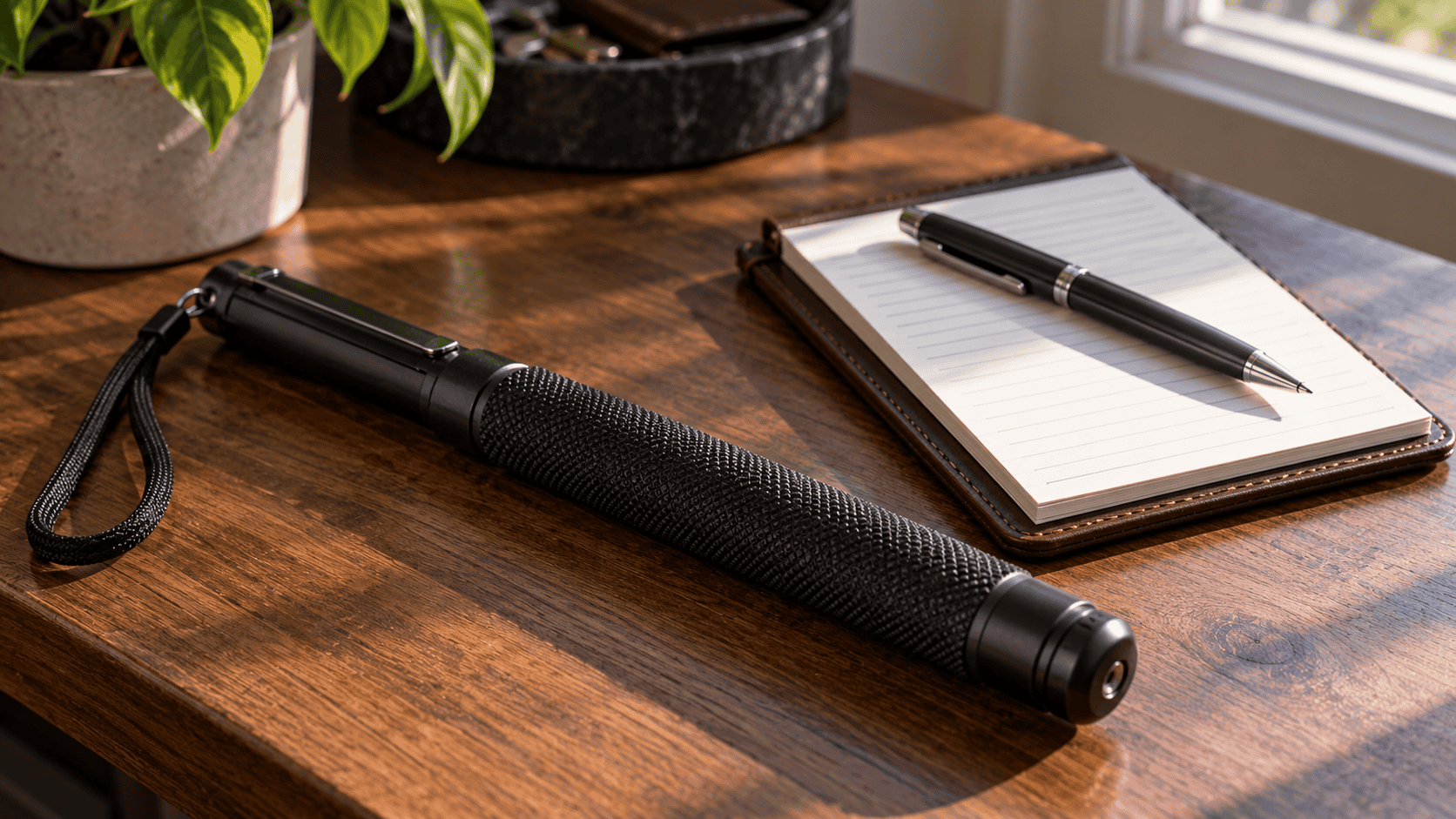
So what are the pros and cons of telescopic steel batons? Telescopic steel batons offer a compact, forceful self-defense option that can be carried discreetly and deployed in seconds — but they come with serious legal restrictions, a real learning curve, and meaningful risks if used without proper training. They’re genuinely useful tools for the right person in the right situation, and a poor choice for someone who grabs one without understanding what they’re getting into. Before you decide whether a telescopic baton belongs in your personal safety kit, here’s exactly what you need to know.
A telescopic steel baton — sometimes called an expandable baton, collapsible baton, or ASP baton (after one popular brand) — is a handheld impact weapon made of nested steel tubes that collapse into a compact handle and extend to full length with a flick of the wrist. Most models range from about 16 to 26 inches when extended, while collapsing down to just 6 to 9 inches for carry. They’re built from high-carbon or aircraft-grade steel, designed to deliver significant stopping power through blunt force impact. Law enforcement and security professionals have relied on them for decades — but they’re also widely available to civilians, which makes understanding their full picture critically important.
When evaluating the pros and cons of telescopic steel batons, the pros of telescopic batons are real and worth taking seriously. Here’s a clear breakdown of what makes them stand out:
The cons here are serious, and skipping past them would be doing you a real disservice. Every one of these is a genuine concern that should factor into your decision:
When considering the pros and cons of telescopic steel batons, context matters. Understanding how a baton stacks up against alternative self defense tools helps you pick the right fit for your lifestyle and threat environment.
Vs. Pepper Spray: Pepper spray creates distance, works against multiple attackers simultaneously, and requires minimal training. It’s legal in all 50 states for civilians (with some restrictions on formulation and concentration). For most everyday carry situations, pepper spray is a more practical and legally simpler option. A baton, however, doesn’t fail in wind, cold, or rain the way spray sometimes can, and it works on threats that may not be deterred by chemical agents (such as someone under the influence of certain substances).
Vs. Stun Guns and TASERs: Stun devices are effective at causing temporary incapacitation without the blunt trauma risk of a baton. They’re also more legally available in most states. However, they require battery maintenance and can malfunction. A baton never runs out of charge.
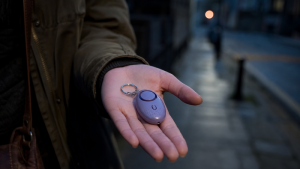
Vs. Personal Alarms: Alarms attract attention but offer no physical resistance. They’re the safest option legally and in terms of personal risk, but they depend entirely on bystanders responding. A baton takes responsibility into your own hands directly.
Vs. Fixed-Length Batons and Walking Sticks: A fixed baton or heavy walking stick can be just as effective at impact and is often legally less restricted — but it’s also far less concealable. If you need something you can carry every day without it being obvious, the telescopic format wins on convenience.
A telescopic steel baton makes the most sense for a specific kind of person: someone who lives or works in a jurisdiction where carry is legal, has committed to basic training, and understands that this tool requires judgment and restraint. It’s a strong option for security professionals, people who work late-night shifts in isolated areas, outdoor enthusiasts in regions with wildlife threats, and individuals who have already built a layered self-defense approach and want an impact tool as part of it. It is not the right choice for someone looking for a quick, no-thought solution — because no responsible self-defense tool is truly that.
If you’ve done your legal homework and decided a baton is right for you, here’s what to check before you buy:
When looking at the pros and cons of telescopic steel batons, this section deserves its own spotlight. Because getting this wrong has real consequences. Here is a state-by-state checklist approach to legal due diligence:
Bottom line: if you’re not certain about the law in your jurisdiction, don’t guess. Find out for certain before you purchase or carry.
It depends entirely on your state and local laws. Telescopic batons are legal for civilian carry in many U.S. states but explicitly prohibited in others, including California and Massachusetts. Even in permissive states, local ordinances can add restrictions. Always verify the laws in your specific state, city, and county before purchasing or carrying one. When in doubt, consult a local attorney or contact your local law enforcement non-emergency line for clarification.
Yes — training is genuinely necessary, not just recommended. Without it, you risk fumbling the deployment under stress, striking ineffectively, injuring yourself, or using disproportionate force. Even a few hours of instruction from a qualified self-defense trainer can make a significant difference in how safely and effectively you can use a baton. Look for courses that cover grip, targeting, retention, and legal use-of-force standards specific to your area.
Yes, and this is one of the real risks of baton carry. In a close-quarters struggle, an attacker can attempt to grab and disarm you. This is why proper training emphasizes grip technique, body positioning, and retention tactics. A baton that’s grabbed and redirected becomes a serious liability. If you carry one, invest time in learning how to maintain control of it under physical pressure — this is not something to skip.
For most people, pepper spray is a more practical everyday carry option. It’s legal in all 50 states (with some restrictions), requires less training, and creates distance from a threat rather than requiring close contact. Telescopic batons offer advantages in durability and effectiveness in certain conditions where spray may fail, but they carry greater legal complexity and require closer engagement with a threat. Many people choose to carry both as part of a layered approach.
A 21-inch baton is generally considered the best starting point for most adults. It balances reach, striking power, and manageability without being unwieldy in confined spaces. Shorter models around 16 inches are easier to carry and control but sacrifice some standoff distance. Longer 26-inch models provide more reach but can be awkward for smaller-framed individuals. Try to handle a few options before committing, and factor in how and where you intend to carry it.
Yes — this is not a tool to take lightly. A steel baton can break bones, cause severe bruising and soft-tissue damage, and in extreme cases contribute to life-threatening injury if used against vulnerable areas like the head or neck. This is exactly why responsible use, proportional force, and training all matter so much. Use should always be defensive and proportional to the threat. Misuse — or even well-intentioned overuse — can result in serious criminal consequences.
Maintenance is straightforward but important. Wipe the shaft and tubes down with a clean cloth after use or exposure to moisture to prevent rust. Avoid submerging in water and don’t store it collapsed in a damp environment. Periodically check that the locking mechanism snaps firmly and doesn’t wobble when extended. Some batons benefit from a very light application of dry lubricant on the inner tubes — check your specific model’s recommendations. A well-maintained baton can last many years of reliable service.
Against multiple attackers, a baton becomes significantly less effective and much more dangerous to use. Its close-range nature means you can only engage one person at a time, leaving you exposed to others. In a multi-attacker situation, creating distance and escaping is nearly always the right priority over standing and fighting. If you’re in a scenario involving multiple threats, tools that create distance — like pepper spray — or simply fleeing, are generally safer and smarter options than attempting to engage with a baton.
A telescopic steel baton is a powerful, durable, and genuinely effective self-defense tool — for the right person. The pros are real: compact carry, rapid deployment, strong deterrent effect, and no expiration date. But the cons are equally real: significant legal restrictions, a meaningful training requirement, close-range limitations, and the legal scrutiny that comes with any impact weapon capable of serious injury.
The most important thing you can do before buying is check your local laws thoroughly and honestly. The second most important thing is commit to actual training if you decide to proceed. A baton sitting in a drawer, carried without understanding, is not a safety tool — it’s a liability. But a baton carried by someone who understands it, has practiced with it, and knows when and how to use it appropriately? That’s a meaningful layer of personal protection.
If you’re exploring your options and not sure where to start, feel free to reach out — I’m happy to help you think through what makes sense for your specific situation, lifestyle, and the laws where you live. Personal safety is too important to get wrong, and you don’t have to figure it out alone.
Until later…..







We use cookies to improve your experience on our site. By using our site, you consent to cookies.
Manage your cookie preferences below:
Essential cookies enable basic functions and are necessary for the proper function of the website.
These cookies are needed for adding comments on this website.
Statistics cookies collect information anonymously. This information helps us understand how visitors use our website.
Google Analytics is a powerful tool that tracks and analyzes website traffic for informed marketing decisions.
Service URL: business.safety.google (opens in a new window)