
U.S. Legal in Most States • Discreet Shipping • Real-World Protection • No Permits Required in Most Areas
U.S. Legal in Most States • Discreet Shipping • Real-World Protection • No Permits Required in Most Areas
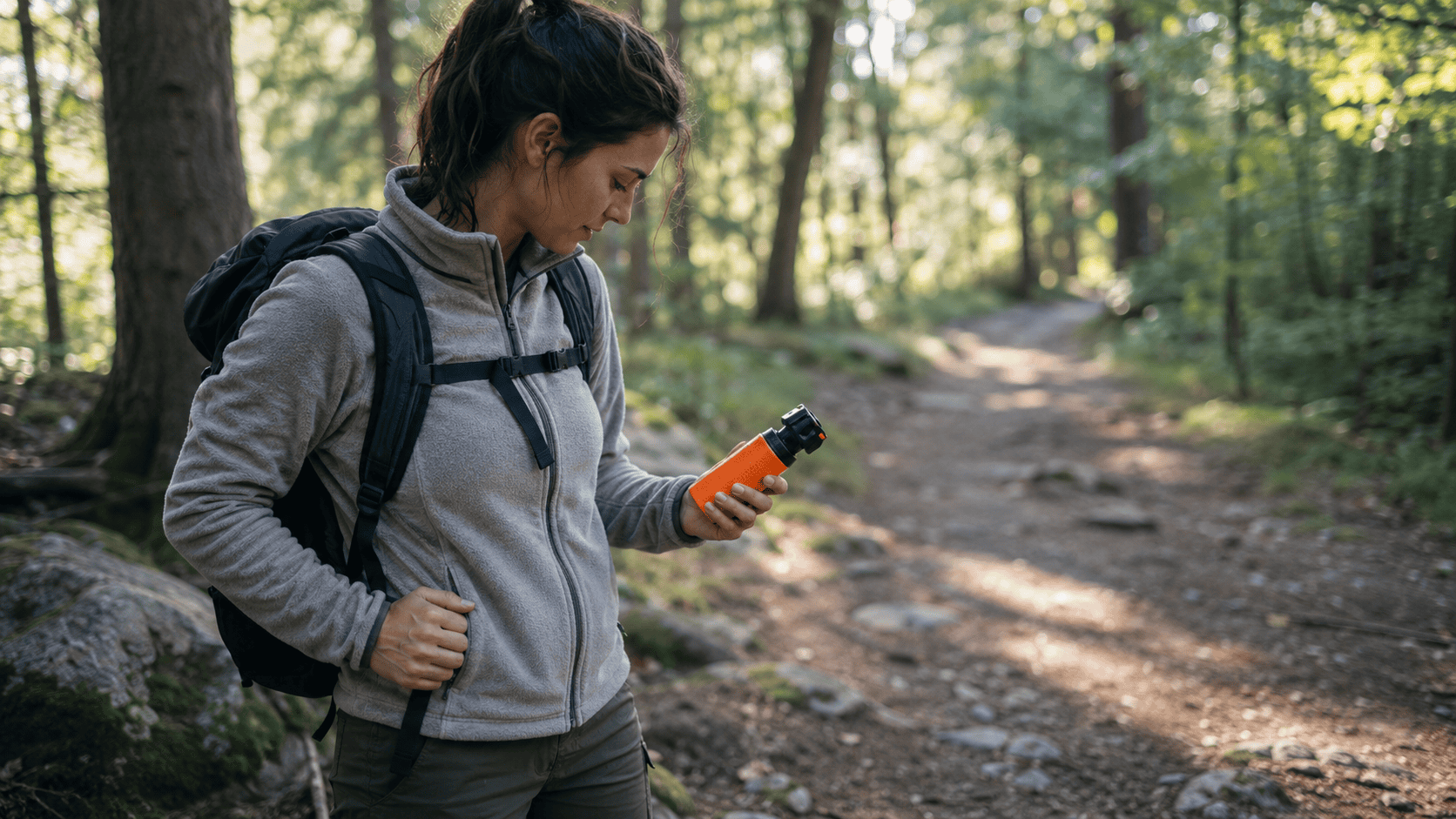
So what are the pros and cons of humane animal repellents? Humane animal repellents offer a safe, non-lethal way to deter aggressive or unwanted animals — from dogs charging at joggers to bears wandering into campsites — without causing permanent harm. They work by triggering a strong but temporary sensory response that drives the animal away, giving you a critical window to get to safety. Like any tool, though, they come with real limitations you need to understand before you rely on one. Knowing both sides of the equation is what turns a good purchase into a smart, prepared decision.
Humane animal repellents are deterrent tools designed to stop an animal’s threatening behavior without injuring or killing it. They operate on the principle that an animal responds to a powerful negative stimulus — a burning sensation, a loud sound, or an overwhelming smell — and retreats rather than continues its advance. The most common types include animal pepper spray (specifically formulated for animals), ultrasonic devices, and citronella-based sprays. Understanding which type you’re dealing with is the first step toward using it correctly.
Each type is built for a different threat level and environment. Picking the wrong one for your situation is one of the most common — and most dangerous — mistakes people make.
When considering the pros and cons of humane animal repellents, the advantages are substantial and practical. Which is exactly why these tools have become staples for hikers, mail carriers, cyclists, joggers, and anyone who spends time in environments where animal encounters are possible. Here is a clear-eyed breakdown of what these products genuinely deliver.
The most significant pro is the one right in the name: humane. Whether you’re a dog lover who doesn’t want to seriously hurt someone’s pet or a hiker who has deep respect for wildlife, a repellent lets you protect yourself without permanently harming the animal. The effects — burning, disorientation, temporary sensory overload — wear off within 30 to 45 minutes in most cases, leaving the animal uninjured and you out of a dangerous legal or ethical situation.
Even a small repellent buys you time. A dog that charges stops its advance. A bear that gets a face full of capsaicin turns and runs. That five-to-fifteen-second window is often all you need to back away, climb to safety, or reach your vehicle. Do not underestimate how much a brief pause in an animal’s aggression changes the outcome of an encounter. That window is the whole point of the tool.
Unlike firearms or even some personal defense tools, humane animal repellents face very few legal restrictions in most states and localities. Bear spray is actually encouraged or required in many national parks. Pepper spray formulated for animals is generally unrestricted for adults. This legal accessibility means you can carry one confidently in most environments without worrying about local ordinances. Always verify local laws, but restrictions on these products are rare.
Quality animal repellent sprays are compact, lightweight, and inexpensive — most fitting easily on a keychain, belt clip, or backpack strap. There is no special training required to use a basic spray model. Compare this to other deterrent options and you’ll find that a $15–$40 investment delivers genuine, practical protection for daily activities. Affordability means there is no excuse not to carry one if your daily routine puts you near animals.
A good animal pepper spray does not discriminate. It is effective against aggressive dogs, coyotes, bears, mountain lions, and other threats depending on the concentration and delivery system. This versatility is a real-world advantage, especially for hikers or rural residents who may face different animal threats depending on the season or location.
Curious about the pros and cons of humane animal repellents? Here is where honest preparation matters most. Humane animal repellents are excellent tools, but they are not infallible. Trusting one blindly — without understanding its failure points — is how people get hurt. Study these limitations as carefully as you study the benefits.
This is the single most important limitation of spray-based repellents. If wind is blowing toward you when you deploy a pepper or citronella spray, you will incapacitate yourself and do little to the animal. Rain can reduce the effective concentration. Cold temperatures can affect spray pressure in canister-based products. Before you rely on a spray repellent, always check wind direction and understand how your specific product performs in different weather conditions. This is not a minor footnote — it is a critical safety check.
Most animal repellent sprays have an effective range of 10 to 30 feet, but that range assumes a calm hand and correct aim. In a high-stress encounter with an animal closing distance fast, panicked spraying is common. If you miss the face — particularly the eyes and nose — you dramatically reduce effectiveness. Practice your draw. Know your product’s range. Understand that ultrasonic devices require the animal to be within their effective frequency zone, which varies by model and environment. Never assume the tool will do the work for you without practice.
Some animals — particularly those that are extremely agitated, food-conditioned, or defending young — may push through even a direct hit of capsaicin. Studies on bear spray show it is highly effective in most encounters, but “most” is not “all.” There are documented cases where a bear or aggressive dog continued its charge despite being sprayed. Humane repellents are a significant deterrent, not a guaranteed stop. They should be part of a layered safety strategy, not your only plan.
Pepper spray canisters lose pressure over time. Most have a shelf life of 2–4 years, and a partially depleted canister may spray weakly or inconsistently at the moment you need it most. Check the expiration date on every canister you carry. Store spray away from extreme heat (never leave it in a hot car). Ultrasonic devices depend on battery life. A dead battery at the wrong moment is a serious failure point. Set a reminder to check your equipment every six months at minimum.
Ultrasonic repellents work well in controlled settings — deterring neighborhood dogs from your yard, for instance — but their effectiveness in active, dynamic encounters is inconsistent. Animal hearing sensitivity varies by species. Some animals habituate to the sound over time and stop responding to it. If you are relying on a handheld ultrasonic device for personal protection against an aggressive dog on a trail, you may be significantly overestimating its in-the-moment reliability.
Evaluating the pros and cons of humane animal repellents and choosing correctly depends on answering three questions honestly. Where will I be? What animals am I likely to encounter? How will I carry and access this tool? Use this checklist to make a smart decision:
Yes — and these warnings are not optional reading. Treat this list as a pre-carry checklist every time you head out.
No, and this distinction could keep you safe. Animal pepper sprays — especially bear spray — are formulated with different concentrations, canister sizes, and spray patterns than personal defense sprays designed for humans. Bear spray in particular must meet EPA registration standards for minimum capsaicinoid concentration and spray volume. Using human pepper spray against a charging bear is widely considered unreliable and potentially dangerous. Always match the product to the specific animal threat you face.
In most cases, yes — a direct spray to the face of an aggressive dog is highly effective at stopping the charge and allowing you to back away safely. Dog-specific repellent sprays are compact, easy to carry, and designed for this exact scenario. However, effectiveness depends on a direct hit to the eyes and nose. A glancing spray or a miss reduces effectiveness significantly. Practice your draw and know your spray’s range before heading out on your walk or run.
Most animal repellent sprays have an effective range of 10 to 30 feet, though this varies by product. Bear spray is designed for distances of 20–30 feet to create a wide deterrent cloud before an animal closes the gap. Dog repellents are often optimized for 10–15 feet. Spraying too early wastes the product; spraying too late reduces your safety margin. Know your specific product’s rated range and practice mentally rehearsing when to deploy.
Ultrasonic repellents are most reliable for stationary deterrence — keeping dogs out of your yard or garden. For active personal protection against a charging or aggressive animal, their effectiveness is inconsistent. Animal hearing varies by species, and some animals habituate to the sound over time. If you’re counting on a handheld ultrasonic device as your primary protection on a trail or in a neighborhood with loose dogs, consider adding a backup spray repellent to your carry kit.
The effects of capsaicin-based animal repellents typically last 30 to 45 minutes in most animals, sometimes up to an hour depending on the concentration and the individual animal. During that time, the animal experiences intense burning of the eyes, nose, and throat, which drives it to retreat and find relief. The effects are temporary and do not cause lasting injury. This window is designed to give you enough time to leave the area safely and put significant distance between you and the animal.
Bear spray is not only allowed but actively encouraged — and sometimes required — in many national parks and wilderness areas, especially in bear country. The National Park Service endorses bear spray as one of the most effective deterrents available. Standard animal repellent sprays are generally unrestricted on trails. However, regulations vary by specific park and jurisdiction. Always check the rules for your specific destination before your trip to ensure you’re carrying legal, compliant gear.
Leave the area as quickly and calmly as possible — do not run in a way that re-triggers a predatory response from the animal. Put significant distance between yourself and the sprayed animal. If you have any spray residue on your skin or clothing, wash thoroughly with soap and water as soon as possible. Avoid touching your eyes or face. Ventilate any enclosed space that may have been affected by drift. Report the encounter to local animal control or park rangers, especially in the case of a dog bite or bear charge.
Most capsaicin-based animal repellent canisters have a shelf life of 2 to 4 years from the manufacture date, which is printed on the canister. Over time, propellant pressure decreases, which can result in a shorter spray range or weaker spray pattern — both serious problems in an emergency. Check your canister’s expiration date before every season and replace it when it expires. Set a reminder on your phone so this critical check never falls through the cracks.
When judging the pros and cons of humane animal repellents, realize that they are genuinely valuable tools. Accessible, legal, affordable, and effective in a wide range of real-world scenarios. The pros are real: they protect you without permanently harming the animal, they buy you critical escape time, and they’re easy to carry daily. But the cons are equally real: wind defeats spray, range and aim matter, shelf life degrades, and no repellent is a guaranteed stop in every situation.
The goal is to carry the right tool for your specific environment, keep it maintained and accessible, and understand its limitations before you’re ever in a situation where it matters. That combination — the right product, properly maintained, correctly deployed — is what makes a humane animal repellent a genuine safety asset rather than a false sense of security. Stay aware, stay prepared, and make your choices with clear eyes.
Until later…..







We use cookies to improve your experience on our site. By using our site, you consent to cookies.
Manage your cookie preferences below:
Essential cookies enable basic functions and are necessary for the proper function of the website.
These cookies are needed for adding comments on this website.
Statistics cookies collect information anonymously. This information helps us understand how visitors use our website.
Google Analytics is a powerful tool that tracks and analyzes website traffic for informed marketing decisions.
Service URL: business.safety.google (opens in a new window)