
U.S. Legal in Most States • Discreet Shipping • Real-World Protection • No Permits Required in Most Areas
U.S. Legal in Most States • Discreet Shipping • Real-World Protection • No Permits Required in Most Areas
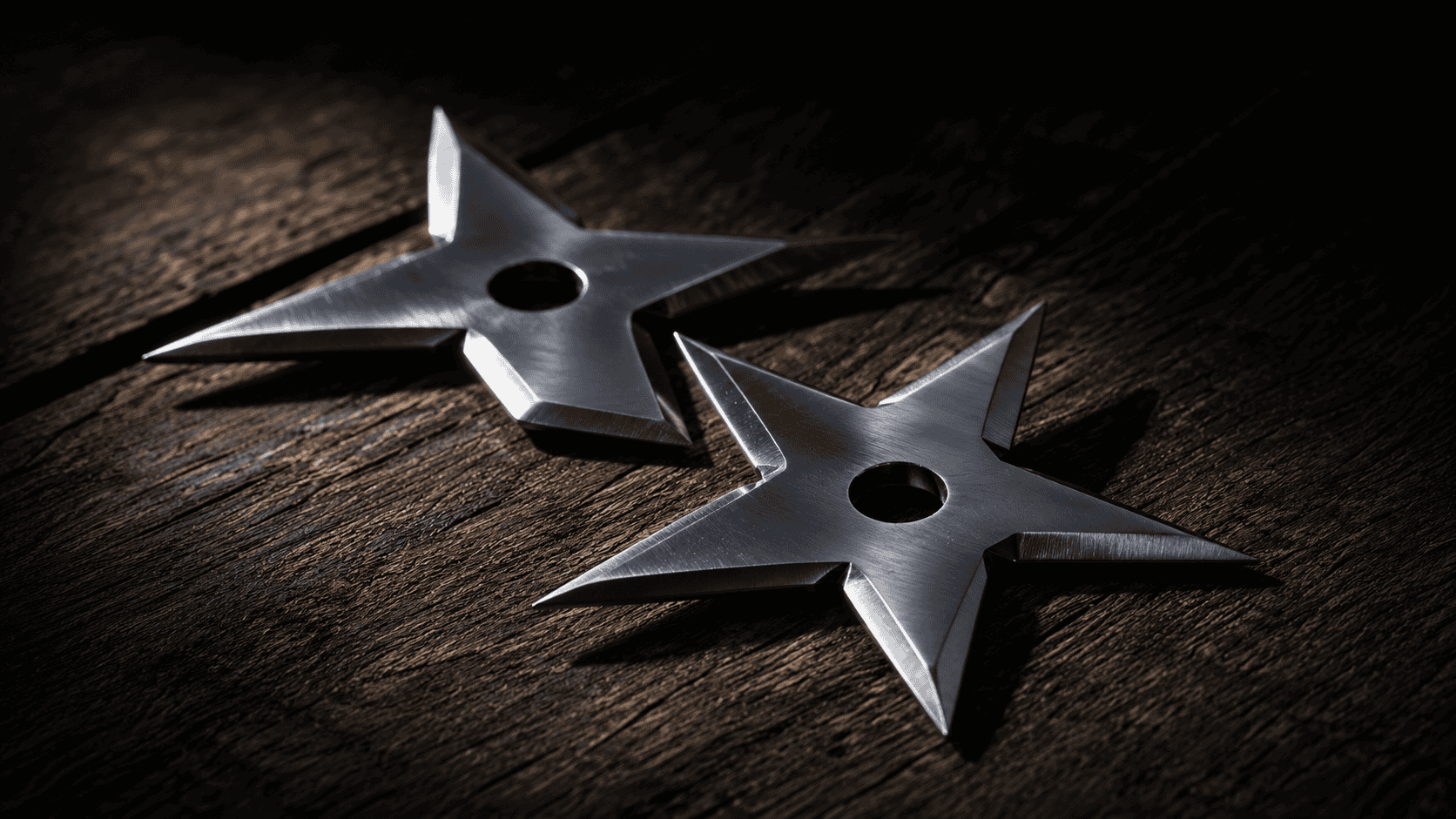
So what are the pros and cons of throwing stars? Throwing stars — also called shuriken or ninja stars — offer a fascinating mix of historical mystique, collector appeal, and practical self-defense conversation, but they come with serious legal restrictions and real skill demands that most people never consider before picking one up. They can be a legitimate part of a personal preparedness toolkit in the right context, but they are far from a simple grab-and-go solution. Understanding both sides of the equation is what separates a thoughtful choice from a regrettable one.
Most people have seen throwing stars in movies or video games, but the real history is richer — and stranger — than Hollywood suggests. The shuriken originated in feudal Japan as a concealed weapon used by ninja and samurai-era warriors. The word itself roughly translates to “sword hidden in the hand.” These weren’t toys or novelties; they were purpose-built tools designed to distract, wound, or create an opportunity to escape or counterattack.
Modern throwing stars are typically flat, multi-pointed discs made from steel, stainless steel, or sometimes aluminum. They range from lightweight novelty pieces to heavy, razor-edged versions designed for serious use. That wide spectrum is part of what makes them so misunderstood — the gas station trinket and the precision-ground steel disc are both called “throwing stars,” but they are worlds apart in design, purpose, and capability.
What most people don’t realize is that there are actually two main categories of shuriken: the hira shuriken (the flat, star-shaped disc everyone pictures) and the bō shuriken (a straight, spike-like blade). The star-shaped version captured pop culture’s imagination, but both have centuries of tactical history behind them.
When evaluating the pros and cons of throwing stars, the pros of are real. But they come with important context attached. Here’s an honest look at what they actually offer.
One of the most practical advantages of a throwing star is its flat profile. A quality throwing star can slip into a pocket, a bag compartment, or a slim pouch without adding meaningful bulk. For people who value minimal carry setups, this is genuinely appealing. You’re not strapping on a holster or clipping anything to a waistband — they simply disappear into your everyday carry.
This is the detail most people overlook. Unlike a knife or baton, a throwing star is designed to be deployed at range. In a self-defense context, distance is almost always your friend. If you can deter or distract a threat from several feet away rather than in a clinch, that’s a meaningful tactical advantage. The ability to engage — or create a distraction — without closing the gap is one of the few things throwing stars offer that most other everyday carry tools do not.
Quality throwing stars are accessible from a cost perspective. Compared to firearms, quality knives, or even many stun guns, a set of well-made throwing stars represents a modest investment. This makes them attractive as a starting point for people exploring self-defense tools or as an addition to an existing preparedness kit.
There is a legitimate practice tradition around shuriken-jutsu — the art of throwing — that appeals to people interested in martial arts, historical weapons, and physical skill development. Practicing with throwing stars builds focus, hand-eye coordination, and a kind of calm discipline that serious practitioners find genuinely rewarding. If you’re drawn to that world, it’s a real and structured one.
When considering the pros and cons of throwing stars, here’s where things get complicated. And where most enthusiasts wish someone had been more direct with them from the start. The cons are significant and deserve equal weight in any honest conversation.
This is the most important thing to understand before you do anything else. Throwing stars are outright illegal in many U.S. states and municipalities. States like California, Indiana, and several others have explicit laws banning their possession, carry, or sale. At the federal level, they occupy a gray zone. Internationally, the restrictions are even stricter in many countries. The consequences of carrying an illegal weapon — even with zero harmful intent — can include criminal charges that follow you for years. Before you purchase, you need to research the laws in your specific state and locality, not just your general region. This isn’t optional homework; it’s essential.
Here’s the uncomfortable truth that movies never show: throwing a star accurately under stress, at a moving target, in low light, from an uncomfortable position, is extraordinarily difficult. Mastery takes months or years of consistent practice. Unlike a pepper spray that works effectively with minimal training, a throwing star in untrained hands is unlikely to stop a determined threat. It might even be taken and used against you. The skill gap between “I’ve seen it done” and “I can do it reliably” is enormous.
A quality throwing star is sharp on multiple edges by design. Handling, drawing, and throwing one without proper technique puts the user at real risk of cutting themselves. This isn’t a scare tactic — it’s a straightforward physical reality. The same multi-point geometry that makes them effective as thrown weapons makes them unforgiving of awkward grips or careless movement.
Even when thrown accurately, a throwing star does not deliver the kind of stopping power that would reliably end a threatening encounter. They are designed to distract, wound, or create an opening — not necessarily to incapacitate. Against someone under an adrenaline surge, the effect may be minimal. Self-defense tools that rely on pain compliance or distraction have a meaningful rate of failure against threats that are highly agitated, intoxicated, or extremely determined.
Multi-pointed, razor-edged objects require thoughtful storage. Loose in a drawer or bag, they’re a hazard to anyone who reaches in without looking. Proper sheaths or cases are necessary, and if children are in the home, secure storage is non-negotiable. This adds a layer of responsibility that some lighter carry options simply don’t require.
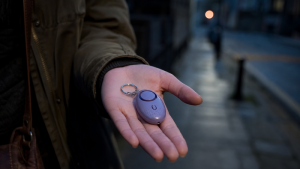
Measured honestly against alternatives, throwing stars occupy a narrow niche. Pepper spray is legal in all 50 states (with varying regulations), doesn’t require precision under stress, and has a well-documented effectiveness record in real-world encounters. Personal alarms require zero training and zero legal worry. Stun guns and tasers offer reliable stopping power without the skill ceiling. Even a quality tactical flashlight provides a meaningful deterrent and is legal virtually everywhere.
That doesn’t make throwing stars worthless — it just means they’re not a first-line self-defense recommendation for most people. They fit better as a supplementary tool for someone who has already built a foundation of training and legal awareness, or as a collector’s piece for martial arts enthusiasts.
This question deserves its own section because the answer is genuinely surprising to most people. Many people assume that because throwing stars are sold openly in some stores, they must be legal everywhere. That assumption is wrong — and potentially costly. Legality varies dramatically not just by state, but sometimes by city or county. Some states ban them outright; others restrict carry but allow possession at home; others have no specific statute but may charge them under general concealed weapons laws.
The only reliable approach is to look up the specific statutes in your state — and if you’re unsure, consult with someone who knows your local laws. No self-defense tool is worth a criminal record. This is one of those areas where a few minutes of research can save years of headache.
The honest answer, when comparing the pros and cons of throwing stars, is a narrower group than the marketing might suggest. Throwing stars make the most sense for martial arts practitioners who study shuriken-jutsu as part of a broader discipline, collectors drawn to historical edged weapons, or experienced self-defense enthusiasts in jurisdictions where they are legal who want to add a ranged option to an already well-rounded toolkit. They are not an ideal starting point for someone brand new to self-defense who wants something simple, reliable, and legally uncomplicated.
If you’re in the second camp — curious about personal safety but not yet deep into martial arts training — you’ll likely get far more practical value from pepper spray, a personal alarm, or a quality stun gun while you build your knowledge base. That’s not a knock on throwing stars; it’s just being real about where they fit.
Legality varies significantly by state and sometimes by city. Several states, including California and Indiana, have explicit bans on throwing stars. Others allow possession but restrict carry. Because the legal landscape is genuinely complex, you should research your specific state statutes and local ordinances before purchasing. When in doubt, consult someone familiar with your local weapons laws — this isn’t an area where assumptions are safe.
Harder than it looks — significantly so. Achieving consistent accuracy with a throwing star requires dedicated practice over months, often years. The mechanics of a proper throw, combined with variables like distance, angle, and rotation, create a steep learning curve. Under real-world stress conditions, that difficulty multiplies. It is not a skill you’ll develop by throwing a few times in the backyard, and expecting it to perform reliably in a crisis without real training is unrealistic.
Yes, a quality, properly sharpened throwing star can cause lacerations and puncture wounds that require medical attention. However, the severity depends heavily on the quality of the star, the skill of the thrower, and where contact is made. They are not designed to kill outright, but they should be treated with the same respect as any edged weapon. Careless handling is a risk to the user as much as to anyone else.
In the hands of a highly trained practitioner, they can serve as a distraction or deterrent — creating distance and an opportunity to escape. For the average person without extensive training, however, they are unlikely to reliably stop a determined attacker. Most self-defense professionals recommend tools like pepper spray or stun guns for untrained individuals because those options are far more effective without requiring precision skill under pressure.
Focus on material quality first — solid stainless steel or hardened carbon steel will outperform cheap stamped metal versions in durability and edge retention. Weight matters too; heavier stars fly more predictably. Look for a balanced, symmetrical design and a smooth finish that won’t snag during a throw. Avoid extremely cheap novelty pieces — they’re often unsafe and unreliable. Buy from a reputable source and verify legality in your area before purchasing.
In most jurisdictions, carrying a throwing star in public — concealed or otherwise — is either outright illegal or legally ambiguous enough to be risky. Even in states where possession is allowed, public carry may fall under concealed weapons statutes. The practical answer for most people is: no, you should not carry a throwing star for self-defense in public without first doing thorough legal research specific to your location. The legal risk typically outweighs the tactical benefit.
Pepper spray, personal alarms, and stun guns are consistently recommended as more practical and legally accessible alternatives. Pepper spray is legal in all 50 states with varying regulations, requires minimal training, and has solid real-world effectiveness. Personal alarms need zero training and are universally legal. Stun guns offer reliable stopping power in close range. These tools give most people a stronger, more dependable safety foundation than a throwing star would.
Yes — and this isn’t just cautious advice. Throwing stars are multi-edged by design, which means careless handling can result in cuts before you ever attempt a throw. Learning proper grip, draw, and release technique from a qualified instructor dramatically reduces risk to yourself. If you’re serious about incorporating throwing stars into a martial arts practice, seek out shuriken-jutsu instruction or a qualified martial arts instructor who covers traditional weapons.
Throwing stars sit in a genuinely interesting corner of the self-defense world — ancient enough to carry real historical weight, niche enough that most people have never had an honest conversation about them. The pros are real: compact carry, ranged capability, and a meaningful skill tradition. But the cons are equally real: serious legal complexity, a steep skill curve, and limited stopping power in untrained hands. The key is approaching them with clear eyes, solid research, and an honest assessment of where your training actually is.
If you’re curious about expanding your personal safety toolkit and want to explore options that pair better with your current skill level, I’m always happy to talk through what makes sense for your situation.
Until later…..







We use cookies to improve your experience on our site. By using our site, you consent to cookies.
Manage your cookie preferences below:
Essential cookies enable basic functions and are necessary for the proper function of the website.
These cookies are needed for adding comments on this website.
Statistics cookies collect information anonymously. This information helps us understand how visitors use our website.
Google Analytics is a powerful tool that tracks and analyzes website traffic for informed marketing decisions.
Service URL: business.safety.google (opens in a new window)