
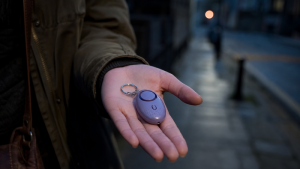
U.S. Legal in Most States • Discreet Shipping • Real-World Protection • No Permits Required in Most Areas
U.S. Legal in Most States • Discreet Shipping • Real-World Protection • No Permits Required in Most Areas
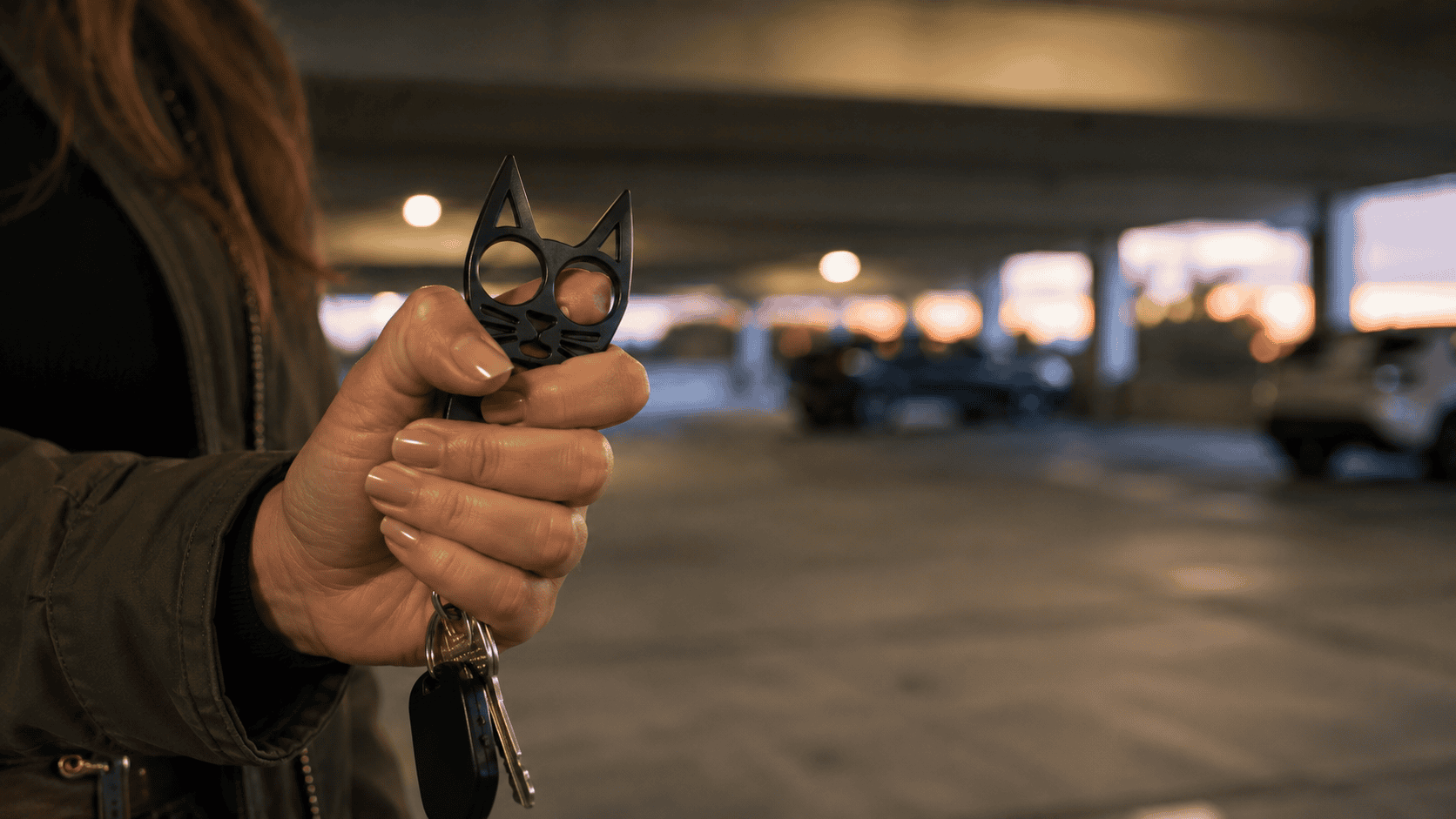
Are you using a keychain correctly? Quick Answer: A self-defense keychain is only effective if you know how to hold it correctly, deploy it instantly, and have practiced the motion enough that it becomes muscle memory. Carrying one without training is better than nothing, but carrying one with a solid grip technique and a clear plan is what actually keeps you safer. This guide walks you through exactly how to do that.
A self-defense keychain is a compact personal safety tool designed to be carried on your keys so it’s always within reach. The most common types include kubotan-style rods, cat-ear knuckle keychains, and palm weapons – all designed to give your strikes more impact or help you create enough distance to escape a threatening situation.
These tools are popular for good reason: they’re small, affordable, and genuinely useful when you know how to use them. But here’s the critical part most people skip – a tool you’re not prepared to use confidently is a tool that won’t help you when it matters most. Before you clip one to your keys and call it a day, take a few minutes to actually learn how it works.
Legality varies by location, and it is your responsibility to check the laws in your state, city, and any place you’re traveling to before you carry. Most kubotan-style rods are legal in the majority of U.S. states, but cat-ear knuckle keychains are restricted or prohibited in some areas because they can be classified as brass knuckles.
Here’s a quick checklist before you start carrying:
Knowing the rules isn’t just about avoiding trouble – it’s about being a responsible carrier who’s thought this through carefully.
Grip is everything. Holding your keychain tool the wrong way during a stressful moment can cause you to drop it, lose control of it, or use it ineffectively. Here’s how to hold the two most common types:
That last step is not optional. Speed matters. Practice transitioning the tool from your pocket or purse to a ready grip at least 20-30 times before you rely on it in real life.
Target vulnerable areas that create pain and distance – the goal is always to create an opportunity to escape, not to escalate or continue a fight. These tools are not weapons of offense. They’re tools to help you get away.
Effective target zones include:
Important warning: Avoid targeting the throat, eyes, or temples unless you are in a life-threatening situation where no other option exists. Strikes to these areas can cause serious injury, and using disproportionate force can have serious legal consequences even in a self-defense scenario.
You can build real muscle memory on your own with just a few consistent habits. The point isn’t to become a martial arts expert – it’s to make the basic motions natural enough that stress doesn’t freeze you.
Solo practice routine:
If you can find a local women’s self-defense class or a personal safety workshop, even a single session can be enormously valuable for hands-on feedback.
Watch this informative video about self defense keychains
These are the most common errors that turn a useful tool into a false sense of security. Be honest with yourself about whether you’re making any of them.
Maintenance is simple but worth being intentional about. A damaged or degraded tool is a liability.
It can create enough pain and surprise to give you a few seconds to escape – which is the realistic goal. These tools are not guaranteed to stop a determined attacker, but used correctly, they increase your odds of breaking free from a grab or creating distance. Think of it as one layer in a broader personal safety plan that includes awareness, avoidance, and confidence.
They serve slightly different purposes. Cat-ear keychains reinforce your fist and are intuitive for striking. Kubotans offer more versatility for pressure points, wrist locks, and hammer strikes. The best one is the one you’ll actually carry consistently and practice with. If you’re just starting out, a cat-ear keychain is often easier to learn quickly because the grip is more natural for most people.
No. Both cat-ear keychains and kubotans are prohibited in carry-on luggage by the TSA. They may be packed in checked baggage depending on the type, but always verify current TSA rules before traveling. Attempting to bring one through security can result in confiscation and potential delays, so pack it appropriately or leave it at home when flying.
Most people develop a reliable grip and basic strike motion within one to two weeks of daily practice – and we’re talking just five minutes a day. The goal isn’t advanced technique, it’s repeatability under stress. If you can get your tool to a ready grip in under three seconds and deliver a firm, aimed strike to a specific target, you’ve hit a meaningful baseline of preparedness that will serve you well.
You’re not obligated to, and in most cases it’s better to keep it private. Announcing that you carry a self-defense tool can undermine the element of surprise that makes it effective, and it may invite unnecessary debates or questions. The exception is that you should be transparent with law enforcement if asked during any encounter – always disclose clearly and calmly rather than having it discovered unexpectedly.
Get to safety first – move away from the threat as quickly as possible. Then call 911 immediately and report what happened. Be cooperative and factual with law enforcement. Do not attempt to detain anyone or continue confrontation. Document any injuries with photos. If possible, reach out to an attorney who handles self-defense cases, even if you feel confident your actions were justified. Documentation protects you.
Yes – this is actually one area where they shine. Because they concentrate force into a smaller contact point, you don’t need significant hand strength to make a strike effective. Cat-ear keychains in particular reinforce a natural fist, which means the impact is more effective with less effort. For older adults, people with arthritis, or anyone with limited grip strength, a lightweight keychain tool can be a very practical option.
A self-defense keychain is one of the most practical, affordable, and accessible personal safety tools available – but only if you treat it like the responsibility it is. That means checking local laws before you carry, learning the correct grip technique for your specific tool, practicing until the motion is automatic, and keeping situational awareness as your first line of defense.
The checklist is simple: know the law, learn the grip, practice regularly, carry it accessibly, and keep your head up. That’s what actually using a self-defense keychain the right way looks like. Not fear. Not aggression. Just preparation, confidence, and peace of mind.
If you’re looking for quality self-defense keychains or want help choosing the right option for your lifestyle, browse our selection at Nittany Self Defense – we’re happy to answer questions and help you find what fits your needs.







We use cookies to improve your experience on our site. By using our site, you consent to cookies.
Manage your cookie preferences below:
Essential cookies enable basic functions and are necessary for the proper function of the website.
These cookies are needed for adding comments on this website.
Statistics cookies collect information anonymously. This information helps us understand how visitors use our website.
Google Analytics is a powerful tool that tracks and analyzes website traffic for informed marketing decisions.
Service URL: business.safety.google (opens in a new window)