

U.S. Legal in Most States • Discreet Shipping • Real-World Protection • No Permits Required in Most Areas
U.S. Legal in Most States • Discreet Shipping • Real-World Protection • No Permits Required in Most Areas
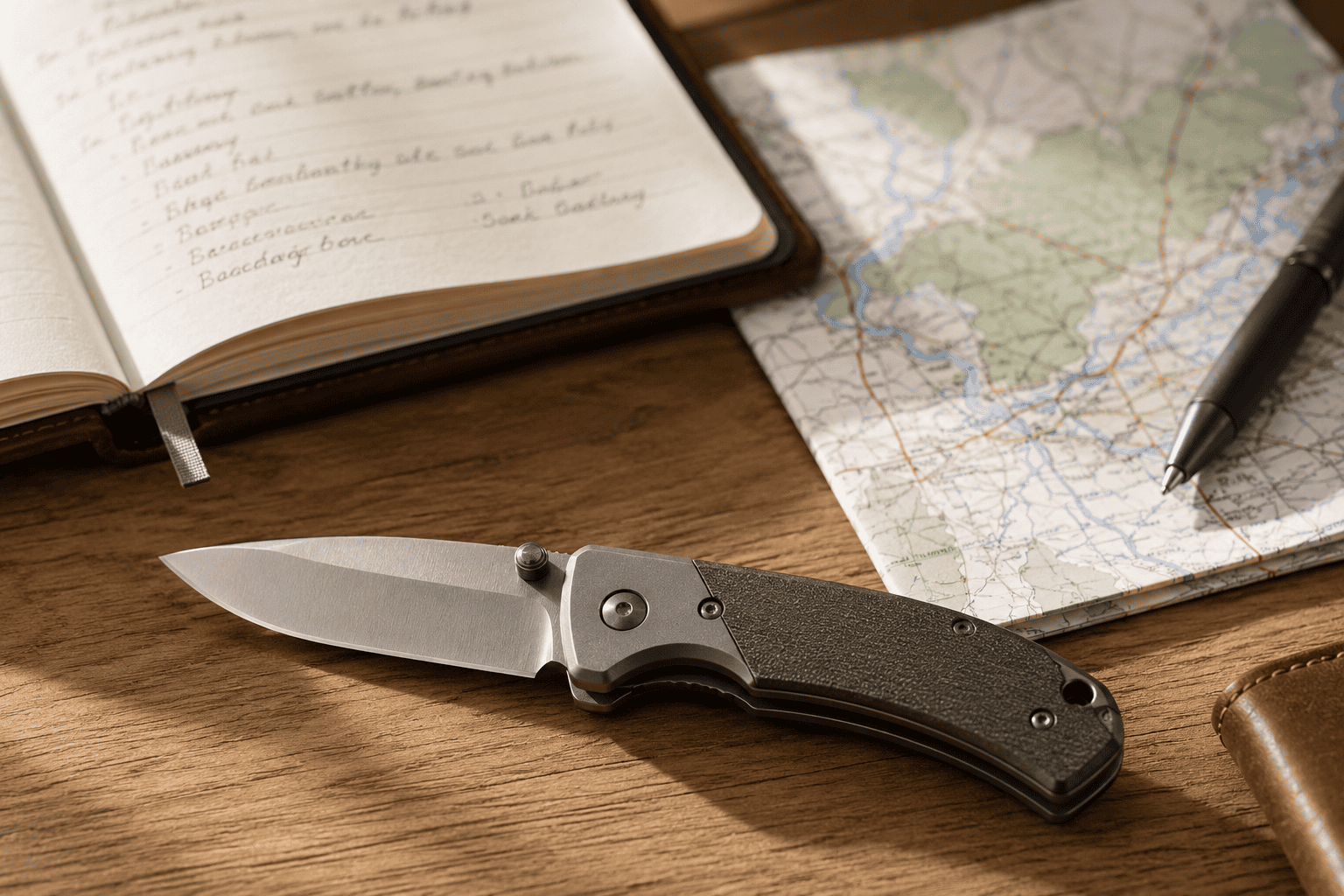
Knife Carry Laws? Quick Answer: In most U.S. states, carrying a folding knife with a blade under 3 to 4 inches is legal for adults, but the rules change significantly based on blade length, knife type, how you carry it, and where you are. Knowing the specific laws in your state – and in every city you pass through – is not optional. Getting this wrong can turn a personal safety tool into a criminal charge.
Knife laws in the United States are a patchwork. There is no single federal standard that governs what you can carry on your person for protection. Instead, every state has its own statutes, and many cities and counties layer additional restrictions on top of those. What is perfectly legal to carry in rural Montana might get you arrested in New York City. That is not an exaggeration – it is the reality of knife carry in this country.
The reason this matters so much for self-defense carriers specifically is that intent influences how prosecutors and courts interpret your situation. Carrying a knife as a tool is one thing. Telling an officer it is for self-defense changes the legal framing entirely in some jurisdictions. I am not saying to be dishonest – I am saying you need to understand your local laws before you rely on any blade for personal protection.
The most widely legal option across the country is a plain folding pocket knife with a blade under 3 inches. Here is a breakdown of common knife types and how they are generally treated:
If you are choosing a knife primarily for self-defense carry, a quality folding knife with a blade of 3 inches or less gives you the widest legal coverage across the most states while still being a capable defensive tool.
There are five critical legal categories you must understand before clipping a knife to your pocket. Skipping any one of these is how people end up in legal trouble.
A handful of states and major cities consistently rank as the most restrictive environments for knife carriers. This does not mean you cannot carry anything in these places – it means you must be especially precise.
If you live in or travel through any of these areas, I strongly recommend consulting your state’s official statutes or speaking with a local attorney before deciding what to carry.
On the other end of the spectrum, a growing number of states have passed knife preemption laws, which prevent cities from creating rules stricter than the state standard. These states tend to be the most carry-friendly:
Even in the most permissive states, the prohibited locations rule still applies everywhere. A school zone or courthouse is a restricted area regardless of what your state law generally allows.
Legally carrying a knife and legally using it in self-defense are two completely separate questions, and confusing them can cost you dearly. Use-of-force laws govern when any weapon – including a knife – can be deployed defensively. Most states require that you face an imminent threat of serious bodily harm or death before lethal force is legally justified. A knife is considered lethal force in virtually every jurisdiction.
This means the legal threshold for using a knife defensively is high. You must be able to articulate that you reasonably believed your life or the life of another person was in immediate danger. This is not a situation where having the right tool is enough – you must also understand the legal standard in your state for when deadly force is permitted.
Self-defense laws vary significantly between states. Stand Your Ground states allow you to defend yourself without first attempting to retreat. Duty to Retreat states may require that you attempt to escape before using force. Know which standard your state follows before you carry any weapon for protection.
Here is a practical checklist to work through before you decide to carry a knife for personal protection:
A basic folding pocket knife with a blade under 3 inches is legal to carry in the vast majority of states, but not universally. Some states and many major cities impose stricter limits. You should always verify the specific laws for your state and any city you plan to carry in, because assuming it is legal everywhere can lead to serious legal consequences.
In some jurisdictions, yes – and not in your favor. In certain states, stating that a knife is a weapon for self-defense rather than a utility tool can change how it is classified under the law. This is a real legal nuance that varies by state. Knowing your local statutes ahead of time is the safest way to avoid inadvertently creating a legal problem for yourself.
A firearms concealed carry permit does not automatically cover knife carry. The two are governed by separate statutes in most states. Having a valid CCW may not provide any additional legal protection for carrying a knife, especially if the knife type or length is independently restricted. Always research knife carry laws separately from your firearm carry rights.
Usually not, but the answer depends on your state. Assisted-opening knives require initial manual pressure to begin opening, while switchblades deploy automatically with a button press. Most states distinguish between the two and treat assisted openers as folding knives. However, a small number of states classify them more strictly, so confirm your state’s specific definition before carrying an assisted-opening knife.
A blade length of 3 inches or under gives you the broadest legal coverage across the most U.S. states. While this will not protect you from every local ordinance, it keeps you within the legal limit in the large majority of jurisdictions. If you travel frequently, choosing the most conservative legal option and researching each destination is the responsible approach.
Yes. Federal facilities, courthouses, schools, school grounds, and secured areas of airports are restricted zones where knife carry is prohibited regardless of your state’s general laws. Many states add additional restricted locations such as government buildings, polling places, bars, and houses of worship. These location restrictions apply even when your knife is otherwise completely legal to carry.
In most states, minors face additional restrictions on knife carry beyond what applies to adults. Many states prohibit minors from carrying knives without parental consent or limit the types and sizes of knives they can possess. Some states set the age threshold at 18 for specific blade types. If you are a parent or guardian, research your state’s age-specific knife laws carefully before allowing a young person to carry.
Fixed-blade knives are legal to own in most states, but concealed carry of a fixed blade is restricted or prohibited in many jurisdictions. Open carry of a fixed blade is more commonly permitted but varies significantly by state and local ordinance. If you are considering a fixed-blade knife for self-defense carry, you need to research both your state’s concealment laws and any applicable local ordinances with particular care.
A knife can be a practical and legal personal safety tool – but only if you do the homework first. The single most important thing you can take away from this post is that legal carry requires knowing the exact rules for your state, your city, and every location you frequent. Assuming that a knife is legal because it feels common or reasonable is how good people end up with avoidable legal problems.
Start with a quality folding knife under 3 inches, research your state statutes directly, check your local ordinances, and understand the use-of-force standard where you live. Those four steps put you in a completely different position than the average person who just clips something to their pocket and hopes for the best. At Nittany Self Defense, my goal is always to help you feel genuinely prepared – and genuine preparedness means knowing the rules as well as you know the tool.






We use cookies to improve your experience on our site. By using our site, you consent to cookies.
Manage your cookie preferences below:
Essential cookies enable basic functions and are necessary for the proper function of the website.
These cookies are needed for adding comments on this website.
Statistics cookies collect information anonymously. This information helps us understand how visitors use our website.
Google Analytics is a powerful tool that tracks and analyzes website traffic for informed marketing decisions.
Service URL: business.safety.google (opens in a new window)