

U.S. Legal in Most States • Discreet Shipping • Real-World Protection • No Permits Required in Most Areas
U.S. Legal in Most States • Discreet Shipping • Real-World Protection • No Permits Required in Most Areas
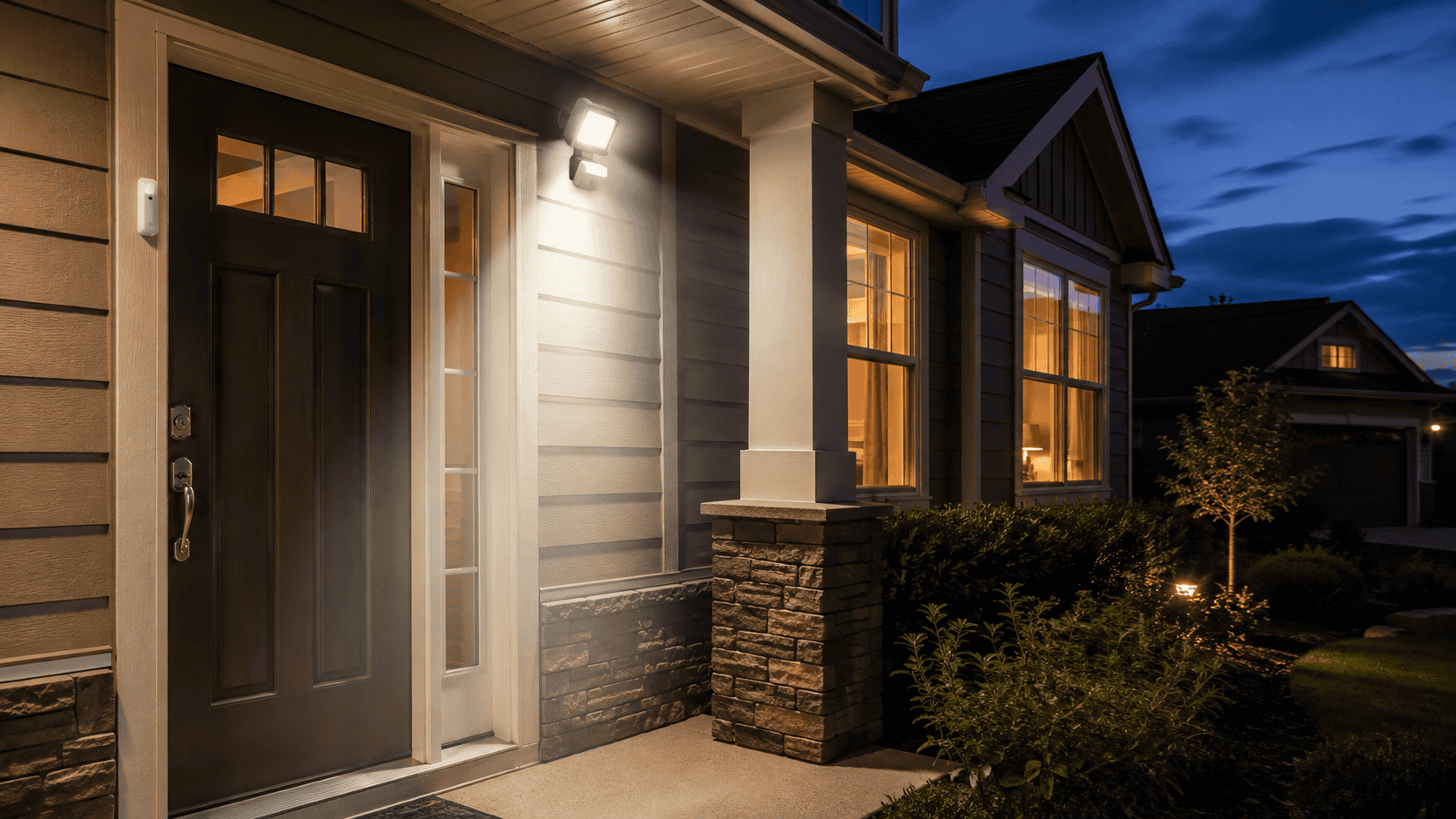
So what are the pros and cons of home alarms? Home alarms offer real, measurable protection — they deter burglars, alert you to danger, and can reduce homeowner’s insurance premiums. But they also come with tradeoffs like monthly monitoring fees, false alarms, and a learning curve for installation and daily use. Understanding both sides of the equation helps you decide whether a home alarm fits your lifestyle, budget, and security goals — and how to layer it effectively with other self-defense tools.
When evaluating the pros and cons of home alarms, the numbers don’t lie. Studies consistently show that homes without security systems are significantly more likely to be targeted by burglars. A visible alarm system — even just the yard sign or window sticker — sends a clear message that this property is monitored and not worth the risk. That deterrence factor alone is one of the strongest arguments for installing an alarm.
Beyond deterrence, a properly set up home alarm gives you real-time awareness. Whether you’re asleep upstairs, at work, or on vacation, you get immediate notification the moment something is wrong. Some systems alert a professional monitoring center that dispatches emergency services, while others push a notification straight to your smartphone. Either way, you’re not left in the dark when it matters most.
There’s also a financial incentive many people overlook. Many homeowner’s insurance providers offer discounts — sometimes 5–20% — when you have a monitored alarm system installed. Over several years, those savings can offset a significant portion of the system’s cost. That’s a practical, numbers-driven reason to consider it regardless of where you live.
Each of these benefits stacks on top of the others. A home alarm system isn’t just one layer of protection — it’s a platform that supports multiple layers simultaneously. That’s a critical distinction when you’re looking at the pros and cons of home alarms. And thinking about comprehensive home security rather than a single quick fix.
Honest evaluation matters here. Home alarms are not a perfect solution, and going in with eyes open prevents frustration and wasted money.
None of these drawbacks mean you shouldn’t use a home alarm. They mean you need to choose the right system for your situation, set it up correctly, and use it consistently. An alarm that’s never armed because it’s too complicated is worse than no alarm at all.
A home alarm is one tool in a broader personal safety toolkit — not a standalone solution. Here’s how it stacks up against complementary options:
The smartest approach is layering. Your home alarm handles perimeter detection and response coordination. Physical reinforcements slow entry. Personal defensive tools protect you if entry still occurs. Each layer compensates for the gaps in the others.
Not all alarm systems are created equal. Before you invest, run through this checklist carefully:
Going through this list before you purchase — not after — prevents the most common and costly mistakes people make when buying home security systems.
Buying the system is step one. Getting the most out of it requires consistent, intentional habits. Here’s what actually works:
Consistency is the difference between a home alarm that protects you and one that collects dust. Build the arming habit the same way you build the habit of locking your door — automatic, every time, no exceptions.
Yes, research and law enforcement surveys consistently confirm that visible alarm systems deter the majority of opportunistic burglars. Most intruders look for the easiest target available, and a clearly alarmed home immediately signals higher risk and greater chance of being caught. While no deterrent is 100% foolproof, the statistical risk reduction for alarmed homes is significant and well-documented.
Modern wireless alarm systems are highly reliable and have largely closed the gap with traditional wired setups. The main advantage of wired systems is that they can’t be jammed or have their batteries die, but they require more complex installation. Wireless systems offer easier DIY setup and flexibility. The most important reliability factor for any wireless system is having cellular backup in case your internet goes down.
False alarms are one of the most common frustrations with home security systems. If you trigger your own alarm, you typically have a short window to enter a PIN code and cancel it before the monitoring center calls. Always inform your monitoring company immediately if a false alarm occurs. Repeated false alarms can result in fines from local authorities, so proper sensor placement and user training are essential to minimize them.
Yes, many modern home alarm systems are designed specifically for DIY installation and can be set up in a few hours without any special tools or technical skills. Wireless systems with magnetic door sensors, motion detectors, and a central hub are especially beginner-friendly. That said, if your home is large, has complex entry points, or you want hardwired sensors, professional installation may provide better coverage and peace of mind.
Professional monitoring is worth it for most households, especially those with children, elderly family members, or frequent travelers. The key advantage is that someone contacts emergency services on your behalf even if you’re asleep, unavailable, or unable to respond. Self-monitoring saves money but puts the entire burden of response on you. Evaluate your lifestyle honestly — if you can’t guarantee you’ll see every alert in real time, professional monitoring fills that gap reliably.
A well-designed home alarm system should continue functioning during a power outage thanks to battery backup and cellular communication. Most quality systems include a backup battery that keeps the control panel running for several hours to days, and cellular backup ensures alerts still reach your phone or monitoring center even without internet. Always verify these features before purchasing — not every budget system includes them by default.
A sophisticated, determined burglar can potentially defeat almost any single security measure. However, most burglars are opportunists looking for quick, low-risk entries. A home alarm significantly raises the cost and risk of breaking in. Layering your alarm with physical reinforcements like deadbolts, door barricade bars, and reinforced strike plates dramatically increases difficulty. Even if an alarm is bypassed, each additional layer buys critical time for help to arrive.
Many insurance providers offer discounts of 5–20% on homeowner’s or renter’s insurance premiums when you have a monitored alarm system. The exact discount depends on your provider, your location, and the type of system installed. Contact your insurance company before purchasing a system to confirm which systems qualify and what documentation they require. Over several years, these savings can meaningfully offset both equipment and monitoring costs.
Home alarms are one of the most effective, widely accessible tools available for protecting your household — but they work best when you go in with realistic expectations. The pros are compelling: deterrence, real-time awareness, professional response, and financial savings through insurance discounts. The cons are manageable: monthly fees, false alarms, and the need for consistent use and regular testing.
The most important takeaway is this — no single security product protects everything on its own. A home alarm is a powerful foundation. Physical security reinforcements, defensive tools for close-range situations, and smart personal habits complete the picture. When you layer these tools thoughtfully and use them consistently, you build a home security strategy that actually holds up in the real world.
So when it comes to the pros and cons of home alarms, think of your home alarm not as a magic shield, but as the early warning system at the center of a larger, layered plan. Get it right, use it every day, test it regularly, and pair it with the right complementary tools — and you’ll have done everything within your power to protect what matters most.
Until later…..








We use cookies to improve your experience on our site. By using our site, you consent to cookies.
Manage your cookie preferences below:
Essential cookies enable basic functions and are necessary for the proper function of the website.
These cookies are needed for adding comments on this website.
Statistics cookies collect information anonymously. This information helps us understand how visitors use our website.
Google Analytics is a powerful tool that tracks and analyzes website traffic for informed marketing decisions.
Service URL: business.safety.google (opens in a new window)